Cat Health UK: Vaccinations, Symptoms and Vet Rules
These guides explain what UK vets and animal charities advise on vaccinations and the conditions cats most often get, and when a symptom means you should phone the vet. Each one lists the PDSA, Cats Protection, RSPCA or International Cat Care pages it is based on.
They do not replace a vet. PDSA and Cats Protection advise calling a vet straight away if your cat is straining to pee with little or nothing coming out or is struggling to breathe, and contacting your vet if it stops eating. Do that before reading on.
Which guide do you need?
- New kitten or a booster letter from the vet: vaccination schedule.
- Something looks wrong (weight loss, drinking more, vomiting, limping): common health problems.
- Worried about the bill: is cat insurance worth it, and the new vet pricing rules (price lists from 23 December 2026, prescription fee cap from 2027).
- Rescue cat that tested positive for FIV: FIV facts.
Health guides
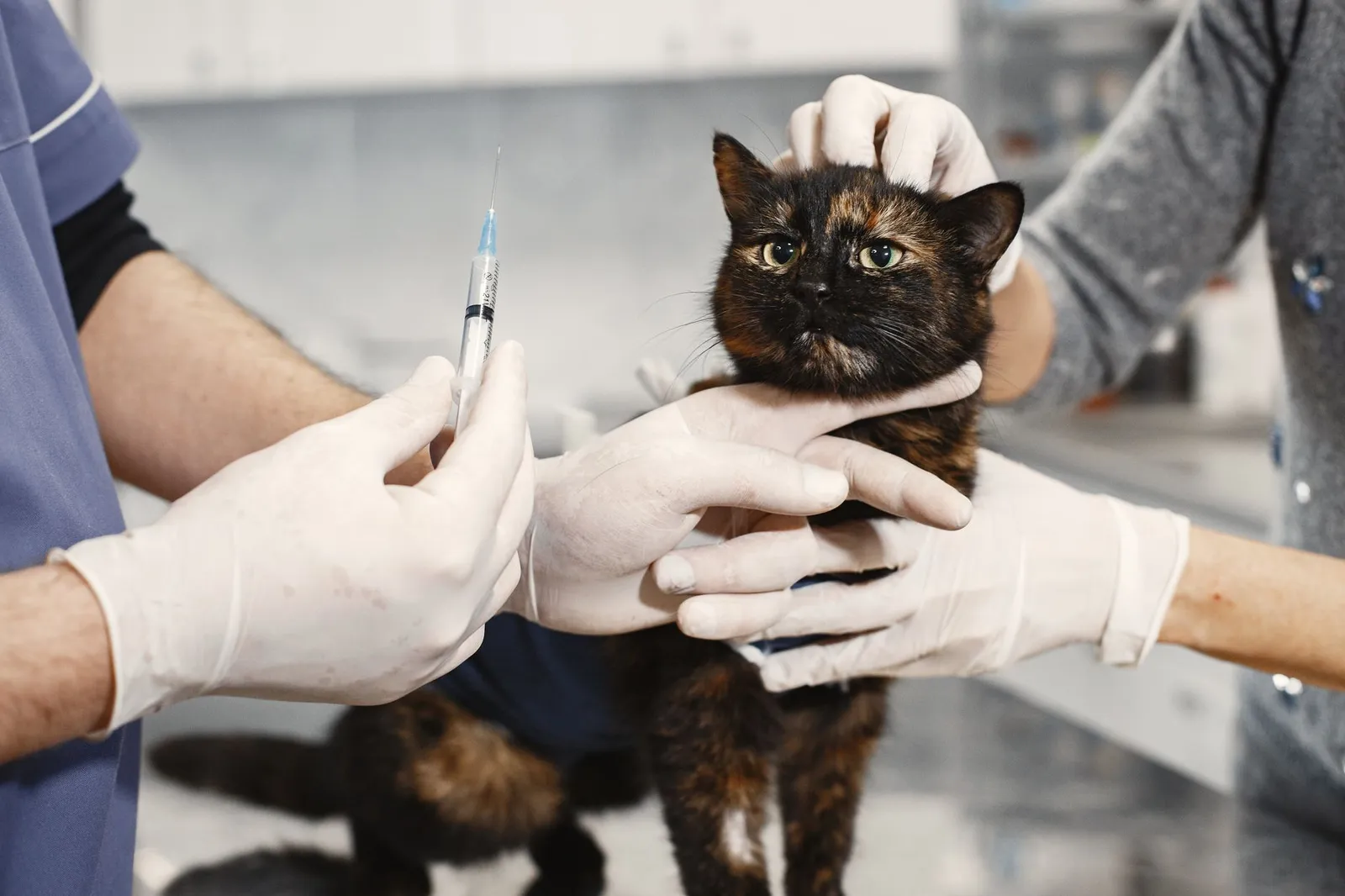
Cat vaccination schedule UK
Core and non-core vaccines, when kittens have them, how often boosters are due and what happens if one is missed.
Prevention
New vet rules UK
Price lists, the £21.40 prescription fee cap and written estimates: what the CMA rules change for cat owners, and when.
Costs
Common cat health problems UK
Common problems covered by PDSA and Cats Protection guidance, the signs to watch for, and which ones need a vet the same day.
SymptomsRelated reading
Health topics covered in other sections.
FIV in cats UK
What an FIV-positive result means for lifespan and care, and what the charities advise about living with other cats.
Health
Cat stress: signs and fixes
The signs of stress, the usual causes, and the changes at home that charities recommend.
Behaviour
Is cat insurance worth it in the UK?
Lifetime vs annual cover, what gets excluded, and when saving the premium makes more sense.
Costs
Best cat insurance UK
Lifetime, annual, accident-only and maximum-benefit policies, and the small print to check.
Insurance
Best cat food UK
Wet, dry and raw compared, how to read a UK label, and which brands earn their price.
Food