FIV in Cats: What UK Owners and Adopters Need to Know
FIV (feline immunodeficiency virus) slowly weakens a cat's immune system. It spreads mainly through deep bites between cats, it cannot infect people or dogs, and many FIV-positive cats live long, healthy lives. UK vet charities advise keeping FIV-positive cats indoors or in a secure garden, with check-ups every six months.
Last updated 28 September 2026. Facts checked 28 September 2026 against Cats Protection, PDSA, International Cat Care and the European Advisory Board on Cat Diseases (ABCD). Sources are listed at the end. Your vet is the right person to advise on a particular cat.
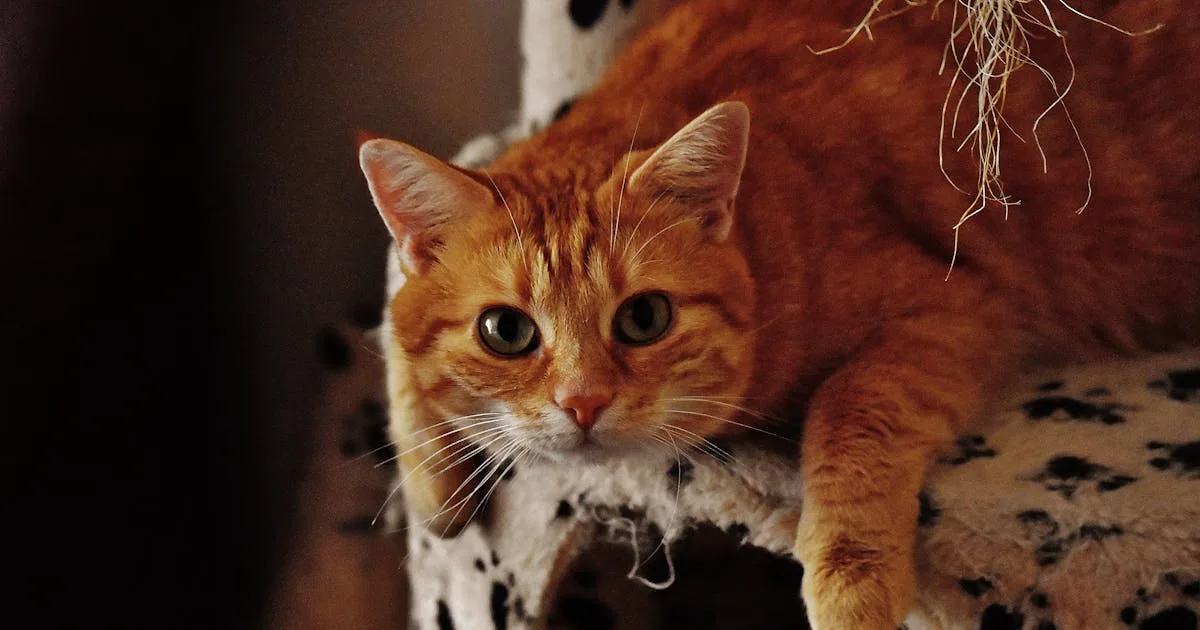
Photo: Pixabay on Pexels
In short
- FIV spreads mainly through bite wounds from fighting. Casual contact rarely spreads it.
- People, dogs and other animals cannot catch it.
- There is no cure and no FIV vaccine in the UK, but a well-managed FIV-positive cat can live a normal, healthy life for many years.
- UK charities generally rehome FIV-positive cats as indoor or secure-garden cats, often as the only cat.
What does FIV mean in cats?
FIV stands for feline immunodeficiency virus, a slow-acting virus that gradually weakens a cat's immune system and makes it harder to fight off other infections. It is sometimes compared to HIV, but it only infects cats. A positive result needs your vet to interpret it, and sometimes a repeat or confirmation test (see below). A confirmed infection does not mean the cat is ill: International Cat Care says that in some cats the virus never causes illness at all.
One thing worth knowing about kittens: those born to an FIV-positive mother can test positive because of her antibodies without being infected. International Cat Care recommends retesting at five to six months old, and ABCD stresses that a positive result in a young kitten is never a reason for euthanasia.
How is FIV transmitted in cats?
FIV is mostly passed on when an infected cat bites another cat, because the virus is in saliva. PDSA says transmission between cats that groom each other is rare. International Cat Care lists passing from mother to kitten and blood transfusions as other, uncommon, routes, and notes that the virus doesn't survive long outside the body.
International Cat Care says infection is much more common in outdoor cats and about twice as common in males, and is most frequent where lots of unneutered cats mix and fight. ABCD's guidelines cite a study of mixed households in which no FIV passed between cats over months to years, even though they groomed each other, had mild spats and shared bowls, litter trays and bedding.
Can FIV cats infect humans?
No. FIV only infects cats and cannot be passed to humans, dogs or other animals, as PDSA, Cats Protection and International Cat Care all state plainly. Children in the house are not at risk either.
How long do FIV cats live?
Many FIV-positive cats have an apparently normal life expectancy, according to ABCD's guidelines. PDSA says a well-managed FIV-positive cat can live a normal, healthy life for many years. The outlook gets worse once the immune system is badly weakened, which International Cat Care says is often around two to five years after infection, if it happens at all.
Outcomes vary from cat to cat, but some things help and are in your hands: indoor living, a stable routine, good food, prompt treatment of infections and regular check-ups.
Can FIV cats live with other cats?
It depends on the cats, and the UK charities are more cautious than the research. Cats Protection advises keeping an FIV-positive cat as the only cat in the home, and PDSA advises keeping FIV-positive cats indoors and away from other cats, partly to protect the FIV cat from infections they might carry.
International Cat Care and ABCD say the risk of transmission is low in a settled household where the cats don't fight, and International Cat Care suggests separate food and water bowls in that situation. So if you already have a calm, bonded pair and one tests positive, talk to your vet before separating them. If you are adopting, expect most rescues to place an FIV-positive cat as an only cat, or with another FIV-positive cat.
Serious fighting is the thing to avoid. A cat with a history of attacking other cats is not a good housemate for an FIV-negative cat.
Can FIV cats go outside?
UK charities advise that FIV-positive cats should not roam freely. PDSA and Cats Protection both say to keep them indoors, and Cats Protection mentions catios as a way to give outdoor access safely. International Cat Care suggests a cat-proof enclosure in the garden. Keeping the cat in protects it from infections and fights, and protects neighbourhood cats from being bitten.
A catio or cat-proof fencing gives an FIV-positive cat fresh air and something to watch. Our guides to indoor versus outdoor cats and cat-proofing your home cover the options. PDSA notes some cats find indoor life hard at first, so ask your vet for help if yours struggles.
What are the symptoms of FIV in cats?
Many FIV-positive cats show no symptoms for years. When the virus does start to affect the immune system, PDSA lists sore mouths and gums, ongoing diarrhoea, breathing problems, skin infections, swollen glands, weight loss, lethargy, a poor appetite and slow recovery from infections as signs.
See your vet if an FIV-positive cat has any of these, or seems unwell at all. Minor infections you might wait out in another cat are worth getting checked sooner.
Caring for an FIV-positive cat
There is no cure for FIV and no FIV vaccine in the UK, according to PDSA. Care is about keeping the cat well:
- Vet check-ups every six months, as International Cat Care recommends, rather than once a year.
- Vaccinations, flea and worm treatment kept up to date. Your vet will decide which vaccines suit your cat; ABCD notes there are some safety questions to weigh up.
- Complete commercial cat food. PDSA and International Cat Care both advise against raw meat, and International Cat Care adds unpasteurised dairy, because of the infection risk.
- Neutering, if the cat isn't already neutered.
- A calm home and a steady routine. Our guide to reducing cat stress has practical steps.
The predictable extra cost is a second check-up each year. There is no routine medication for the virus itself, but blood tests and treatment for other infections add to the bill when they are needed.
Can you get insurance for an FIV-positive cat?
Some insurers will cover an FIV-positive cat but exclude anything linked to FIV as a pre-existing condition; others may decline. Policies change, so get quotes before or at adoption and ask each insurer:
- Will you cover a cat that has tested positive for FIV?
- Are FIV-related conditions excluded, and how do you decide what counts as FIV-related?
- Are infections, dental problems and other illnesses covered as normal?
Get the answers in writing. Our guide to whether cat insurance is worth it explains lifetime and annual cover and the self-insure option.
Adopting an FIV-positive cat
FIV-positive cats can wait longer in rescue than other cats, and the label puts some adopters off before they read the facts above. If you can offer an indoor home, or one with a catio or cat-proof garden, you are exactly the adopter these cats need. Cats Protection and the RSPCA both list cats for adoption online, and many independent rescues have FIV-positive cats in foster homes, so ask them directly. Our guide to adopting a rescue cat in the UK walks through the process.
Sources
- Cats Protection: FIV in cats (transmission, only-cat and indoor advice, no vaccine, symptoms)
- PDSA: FIV in cats (spread by bites, life expectancy, indoor care, no UK vaccine, no cure)
- International Cat Care: feline immunodeficiency virus (transmission routes, kitten retesting, twice-yearly checks, diet)
- ABCD guideline: feline immunodeficiency (life expectancy, low transmission in stable households, vaccination, kitten tests)
- Cats Protection: find a cat and RSPCA: find a pet