Ragdoll Cat: Complete Breed Guide for UK Owners
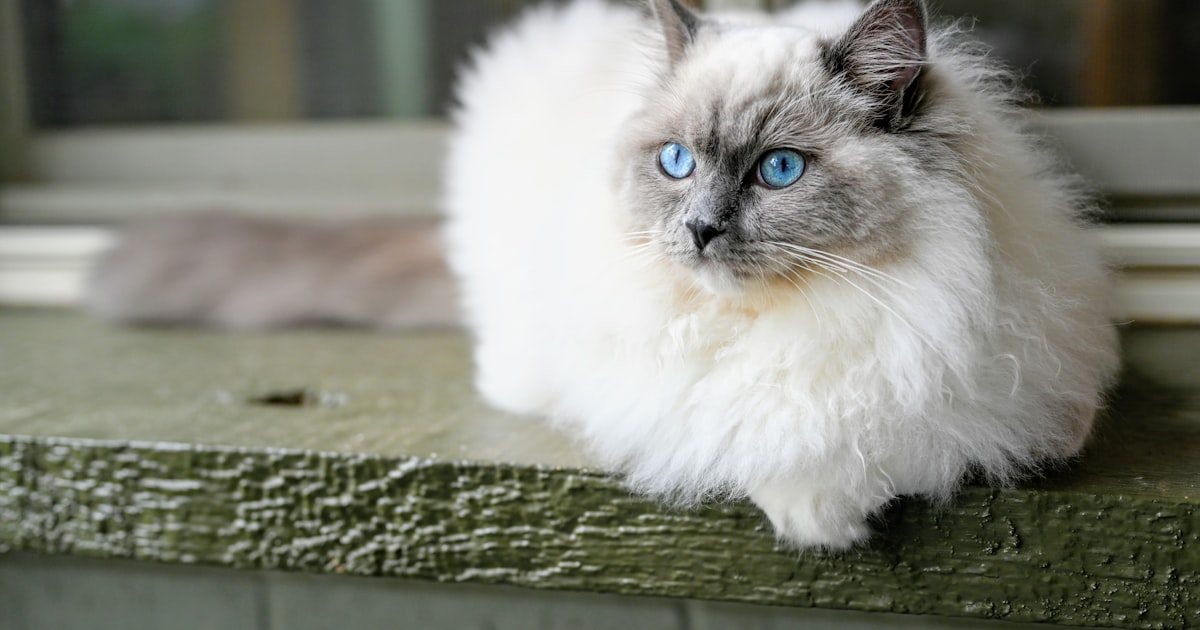
Ragdolls are one of the most popular cat breeds in the UK, and for good reason. They are genuinely lovely cats, big, blue-eyed, absurdly affectionate, and famous for going completely floppy when you pick them up. But popularity has a downside. Ragdolls are also the most scammed breed in the UK, commonly mis-sold to people who assume "docile" means "low-maintenance." It does not. Here is the honest guide.
Ragdoll at a Glance
| Origin | United States, 1960s |
| Average Weight | Males 5-9 kg, Females 4-7 kg |
| Lifespan | 12-15 years |
| Temperament | Docile, affectionate, puppy-like |
| Average Cost (UK) | GBP 800-1,500 (registered breeder) |
| Good For | Indoor cats, families, multi-pet households |
| Grooming | Medium-high (semi-long coat, regular brushing) |
| Activity Level | Low to moderate |
| Recognised By | GCCF, TICA, FIFe |
Why They Are Called Ragdolls
The name is not just marketing. Pick up a Ragdoll and they genuinely go limp in your arms, completely relaxed, floppy, like a cloth doll. It is a breed trait, not a trick you teach them. Ann Baker, the American breeder who developed the breed in the 1960s, selected specifically for this characteristic, along with the large frame, blue eyes, and colourpoint coat that define the breed today.
In the UK, Ragdolls have gone from a relatively niche breed to one of the top five most registered with the GCCF. Their popularity exploded during and after lockdown, when people spending more time at home wanted a companionable indoor cat. That surge in demand also created a surge in scams, backyard breeders, and kittens sold without health testing. More on that later.
The indoor cat question
Most reputable Ragdoll breeders in the UK will insist on indoor-only or secured outdoor access (a catio or cat-proof garden) as a condition of sale. This is not arbitrary. Ragdolls lack the street sense that other cats develop. They are too trusting, too docile, and too inclined to approach strangers, cars, and dogs without caution. A Ragdoll wandering a busy UK road is a Ragdoll that will not last long.
Temperament and Personality
Ragdolls are often described as "dog-like" and it is an accurate comparison. They will follow you room to room. They will greet you at the door. Some can be trained to fetch. They tend to prefer being at ground level or on the sofa rather than climbing to high shelves, making them "floor cats" compared to breeds like the Abyssinian or Bengal that want to be on top of every wardrobe. Bigger than a British Shorthair but not as large as a Maine Coon, the Ragdoll sits comfortably in the middle of the large-breed spectrum.
They are excellent with children, provided the children are old enough to handle a large cat respectfully. They tend to get along well with other cats and with dogs, especially if introduced young. Their general attitude to conflict is to walk away from it, which makes them poor candidates for households with dominant or aggressive cats that might bully them.
The downsides of docile
The same traits that make Ragdolls so appealing also create problems:
- They hate being alone. Ragdolls are genuinely social cats. If you work full-time out of the house and there is no other pet for company, a Ragdoll will suffer. They can develop separation anxiety, over-grooming, and destructive behaviour when left alone for long periods.
- They can be needy. "Follows you everywhere" is charming until you cannot go to the bathroom without a 7 kg cat sitting outside the door crying. Some owners find it endearing. Some find it exhausting. Know which camp you are in before you buy.
- They are too trusting. Ragdolls do not understand danger. They will approach strangers, walk towards dogs, and sit in the middle of a driveway. This is why indoor-only is not a lifestyle choice with this breed, it is a safety requirement.
- They are not low-maintenance. Docile temperament does not mean easy care. The grooming needs are real, the health screening is essential, and the enrichment requirements for an indoor-only cat are significant.
Health Issues to Know About
Ragdolls are a generally healthy breed, but they have specific genetic vulnerabilities that you need to be aware of before buying, and that you will need to budget for throughout their life.
Hypertrophic Cardiomyopathy (HCM)
HCM is the most common heart disease in cats and Ragdolls are predisposed to it. The heart muscle thickens, reducing the heart's ability to pump blood efficiently. It can be present without symptoms for years before causing sudden heart failure.
A DNA test exists for the MYBPC3 mutation associated with HCM in Ragdolls. Any reputable breeder should be testing for this and should show you the results. However, a clear DNA test does not guarantee your cat will never develop HCM, it just reduces the risk. Annual echocardiogram screening (GBP 200-400 per scan) is recommended for breeding cats, and some owners choose to screen pet cats as well.
Polycystic Kidney Disease (PKD)
PKD causes fluid-filled cysts to develop in the kidneys over time, eventually leading to kidney failure. DNA testing is available and should be part of any breeding programme. Ask your breeder for PKD test results alongside HCM results.
Bladder issues and FIC
Feline Idiopathic Cystitis (FIC) and bladder stones are more common in Ragdolls than in many breeds. Symptoms include straining to urinate, blood in urine, and urinating outside the litter tray. Stress is a major trigger, which is another reason why a calm, enriched indoor environment matters.
Treatment for a single FIC episode typically costs GBP 200-500. Chronic cases or bladder stone surgery can run to GBP 1,500-3,000. A urinary health diet can help prevent recurrence.
Obesity
Indoor-only cats with a docile temperament and access to food bowls are prime candidates for weight gain. An overweight Ragdoll puts extra strain on joints, increases diabetes risk, and shortens lifespan. This is entirely preventable with proper feeding (measured portions, not free-feeding) and daily interactive play.
Best Food for Ragdolls
Because Ragdolls are typically indoor cats, their dietary needs skew slightly differently from cats that roam outdoors and burn more calories.
What to look for
- Indoor cat formula: Lower calorie density to account for reduced activity levels. Royal Canin Indoor, Purina Pro Plan Housecat, and James Wellbeloved Indoor are all widely available in the UK.
- Urinary health support: Given the breed's susceptibility to bladder issues, food with controlled mineral levels (magnesium, phosphorus) helps. Royal Canin Urinary Care and Hills c/d are the standard vet-recommended options.
- Hairball control: Ragdolls shed. A lot. Food with added fibre helps move swallowed fur through the digestive system rather than letting it accumulate. Most indoor cat formulas include this.
- High protein, moderate fat: Named meat as the first ingredient. Minimum 30% protein for an adult cat. Avoid anything where cereals or "meat derivatives" (which could be anything) lead the ingredients list.
UK brand recommendations
- Royal Canin Ragdoll Adult - yes, there is a breed-specific formula. It includes EPA/DHA for coat health and specific kibble shape designed for the Ragdoll jaw. Widely available in UK pet shops and online.
- Purina Pro Plan Housecat - good all-round indoor formula with hairball management. Available at most UK supermarkets.
- Lily's Kitchen - UK brand, grain-free options, good ingredient transparency. Higher price point but popular with owners who want to avoid "meat derivatives."
- Encore - another UK brand with high meat content and clear labelling. Good for wet food rotation alongside dry.
Budget around GBP 30-60 per month for quality food, depending on whether you feed wet, dry, or a mix of both.
Grooming and Care
Ragdolls have a semi-long, silky coat that is less prone to matting than a Persian or Maine Coon coat, but "less prone" does not mean "never." Without regular grooming, particularly around the armpits, behind the ears, and on the belly, mats will form. Once matted, the only option is cutting them out, and a Ragdoll with bald patches is not a good look.
Grooming routine
- Brushing: Two to three times per week minimum. A steel comb and a slicker brush are the two essential tools. During spring and autumn shedding seasons, daily brushing may be needed.
- Bathing: Rarely necessary. Ragdolls do not have an oily undercoat so their fur stays relatively clean. If you do bathe, use a cat-specific shampoo, never human shampoo.
- Nail trimming: Every two to three weeks. Indoor cats do not wear their claws down on rough surfaces the way outdoor cats do.
- Dental care: Ragdolls are not more prone to dental disease than other breeds, but all cats benefit from regular dental checks. Brushing teeth with cat toothpaste a few times a week is ideal, though most owners settle for dental treats and an annual vet dental check.
- Eye and ear cleaning: Occasional wipe with a damp cotton pad. Nothing excessive unless your vet flags an issue.
Colour development
Something that catches new Ragdoll owners off guard: kittens are born almost entirely white. The colourpoint, mitted, or bicolour pattern develops gradually over the first two to three years. Your fluffy white kitten will look quite different by age three. The colour deepens with age and exposure to cooler temperatures (it is a temperature-sensitive pigment gene, the same one that gives Siamese cats their points).
Common colour varieties in the UK include seal, blue, chocolate, lilac, red, and cream, in colourpoint, mitted, and bicolour patterns.
Exercise and Enrichment
This is the section most "Ragdoll buyer's guides" skip, and it is arguably the most important one. You are keeping a large, intelligent cat indoors for its entire life. If you do not provide adequate stimulation, you will end up with an overweight, bored, destructive cat, or one that develops stress-related health problems like FIC.
Daily essentials
- Interactive play: Two sessions of 15-20 minutes per day with wand toys, feather teasers, or laser pointers (always end a laser session with a physical toy they can "catch" to avoid frustration). Ragdolls are not as hyperactive as Bengals (which need 30-60 minutes daily), but they still need play.
- Window perches: A window perch or cat shelf near a bird-busy window is practically a television for indoor cats. Ragdolls will sit for hours watching the garden.
- Puzzle feeders: Slow down eating and provide mental stimulation. Especially important for a breed prone to obesity.
- Scratching posts: At least two, placed near sleeping areas and by the front door. Ragdolls prefer vertical scratchers at full stretch height (they are big cats, short scratchers are useless).
- Cat trees: Even though Ragdolls are "floor cats," a sturdy cat tree with platforms gives them options. Make sure it is rated for their weight, a 7-9 kg cat on a cheap, narrow-based tree is a disaster waiting to happen.
Enrichment ideas
- Catios: A secure outdoor enclosure attached to a window or cat flap. The best of both worlds. UK suppliers like ProtectaPet and Kittywalk offer modular systems.
- Cat TV: YouTube channels like "Videos for Cats" featuring birds and squirrels. Sounds absurd. Works brilliantly.
- Rotation: Swap toys every few days rather than leaving everything out permanently. Novelty matters.
- A second cat: If you are out during the day, a companion cat makes a genuine difference to a Ragdoll's wellbeing. They are sociable by nature and usually accept a second cat well if introduced properly.
Cost of Owning a Ragdoll in the UK
Ragdolls are not a budget breed. Between the purchase price, the indoor-proofing, the grooming needs, and the health screening, they cost more to own than the average moggy. Here is a realistic breakdown.
One-off costs
| Item | Cost (GBP) |
|---|---|
| Kitten from GCCF registered breeder | 800-1,500 |
| Initial vaccinations (if not included) | 60-100 |
| Neutering/spaying | 50-120 |
| Microchipping (compulsory in England from 2024) | 20-30 (often included by breeder) |
| Litter tray, bowls, carrier, initial supplies | 100-200 |
| Cat tree (heavy-duty for large breed) | 80-250 |
| Window locks / home indoor-proofing | 50-150 |
| Catio (optional but recommended) | 200-2,000 |
| Total one-off | 1,360-4,350 |
Annual ongoing costs
| Item | Annual Cost (GBP) |
|---|---|
| Food (quality indoor formula) | 360-720 |
| Cat litter | 150-300 |
| Pet insurance | 180-480 |
| Annual vet check and boosters | 80-150 |
| Grooming tools / replacement brushes | 20-40 |
| Toys, enrichment, scratching post replacements | 50-100 |
| Flea and worm treatment | 60-120 |
| Total annual | 900-1,910 |
Is a Ragdoll Right for You?
A Ragdoll is a great fit if:
- You want an indoor cat and can provide a stimulating indoor environment
- You work from home or someone is in the house for most of the day
- You want a genuinely affectionate, companionable cat that bonds closely
- You have children - Ragdolls are one of the most tolerant breeds with kids
- You already have a dog or other cat and want a breed that integrates well
- You are happy to commit to regular grooming and do not mind fur on your furniture
- You can budget for pet insurance and potential breed-specific health costs
A Ragdoll is probably not for you if:
- You are out of the house for 10-12 hours a day with no other pets at home
- You want a cat that goes outside unsupervised
- You want a low-maintenance cat (they are not, despite the calm temperament)
- You are on a tight budget - this breed has higher-than-average care costs
- You want an independent, aloof cat - Ragdolls are the opposite of aloof. A British Shorthair offers that dignified independence you might be after
- You dislike cat hair - Ragdolls shed significantly, especially seasonally
Where to Get a Ragdoll in the UK
Registered breeders (GCCF)
The Governing Council of the Cat Fancy (GCCF) is the UK's primary cat breed registry. Search their breeder list for Ragdoll breeders in your area. A GCCF-registered breeder should provide:
- HCM and PKD DNA test results for both parents
- GCCF registration papers for the kitten
- At least the first vaccination
- A contract including a spay/neuter clause and indoor-only requirement
- Willingness to take the cat back at any point in its life if you cannot keep it
Expect to join a waiting list. Good breeders plan litters in advance and often have deposits taken before kittens are born. If a breeder has kittens available immediately with no waiting list, that is worth questioning.
Ragdoll Rehome UK
If you do not need a kitten, consider rehoming an adult Ragdoll. Ragdoll Rehome UK and breed-specific rescue groups regularly have adults available, often because owners underestimated the commitment required. Adoption fees are typically GBP 75-150, a fraction of the kitten price, and the cat's temperament is already established so there are fewer surprises.
General rescues like Cats Protection and the RSPCA also occasionally have Ragdolls or Ragdoll crosses. Worth checking regularly.
Kitten scams - this is the most scammed breed in the UK
Red flags to watch for:
- Price significantly below GBP 800 - if it seems too cheap, it is
- Unwilling to let you visit the kitten with its mother in the breeder's home
- Offering to "deliver" or meet in a car park rather than their premises
- No GCCF registration, no health test certificates, no contract
- Multiple breeds available simultaneously (legitimate breeders specialise)
- Kittens available immediately with no waiting list
- Stock photos or photos that reverse-search to other websites
- Pressure to pay a deposit quickly before someone else "takes them"
- Only accepting bank transfer, no PayPal or credit card
Always visit in person. Always see the kitten with its mother. Always ask for paperwork before handing over money. A legitimate breeder will welcome your questions, not resent them.