Maine Coon: Complete Breed Guide for UK Owners
The Maine Coon is the biggest domestic cat you can legally own in the UK, and it is not even close. These are cats that routinely weigh more than some small dogs, eat like teenagers, and need furniture built like scaffolding. They are also, by most accounts, one of the most rewarding breeds you will ever share a house with. But "rewarding" and "easy" are very different things. Here is what you actually need to know before you bring one home.
Maine Coon at a Glance
| Origin | United States (Maine) |
|---|---|
| Average Weight | Males 6-11 kg (some reach 12 kg+), Females 4-7 kg |
| Length | Up to 100 cm (nose to tail) |
| Lifespan | 12-15 years |
| Temperament | Gentle giant, sociable, playful, dog-like |
| Average UK Price | £900-£2,000+ (GCCF registered) |
| Good For | Families, multi-pet homes, experienced cat owners |
| Grooming | HIGH - daily brushing is realistic, not optional |
| Activity Level | Moderate to high |
| Indoor/Outdoor | Both, but many UK owners keep them indoor-only due to theft risk |
The Reality of Living with a Small Lion
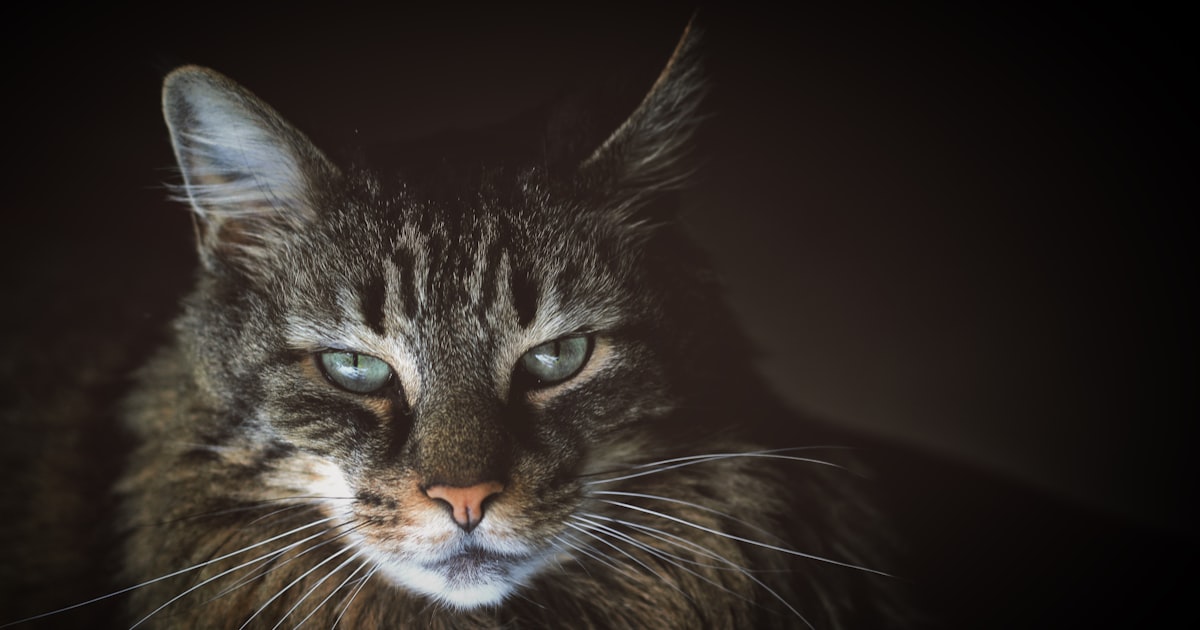
Maine Coons have been trending on social media for years now, and it is easy to see why. They look spectacular. Those lynx-tipped ears, the enormous fluffy tails, the sheer physical presence of a cat that can stretch a full metre from nose to tail. Every other week someone posts a photo of their Maine Coon dwarfing their toddler, and the comments fill up with people who suddenly want one.
What social media does not show you is the daily reality. The grooming that takes 10-15 minutes every single day if you want to avoid matting. The food bill that runs roughly double what you would spend on a normal-sized cat. The litter trays that need to be oversized because a standard one is basically a footbath for a Maine Coon. The cat trees that need to be bolted to the wall because anything freestanding will topple when 9 kg of cat launches itself at full speed.
None of this is meant to put you off. Maine Coons are genuinely brilliant cats. But the gap between the Instagram version and the actual-life-with-one version is wide enough to drive a car through, and too many people find that out after they have already handed over £1,500 to a breeder.
Temperament and Personality
If you have only ever owned standard domestic cats, a Maine Coon will feel like a different species. They are often described as "dog-like," and for once that comparison is accurate rather than lazy.
Maine Coons will follow you from room to room. They want to be wherever you are, not necessarily on your lap (many of them are not classic lap cats, partly because they are too big to comfortably sit on most people - if a true lap cat is what you are after, a Ragdoll is a better fit), but nearby. Supervising. Making sure you are not doing anything interesting without them. They will greet you at the door, follow you to the bathroom, and sit on the edge of the bathtub watching you shower with what feels like genuine concern.
They are sociable with other pets in a way that most cats simply are not. A well-socialised Maine Coon will get on with dogs, other cats, and children. They are patient and tolerant, which is why they are often recommended for families. That said, they are still cats, not cuddly toys, and small children still need to be taught how to handle them respectfully.
The Downsides Nobody Mentions
Separation anxiety is real. Maine Coons bond hard. If you are out at work for 10 hours a day with nobody else home, you are going to come back to a stressed, vocal, potentially destructive cat. They do far better in pairs or in homes where someone is around for most of the day.
They are vocal, but not in the way you expect. Maine Coons do not meow much. Instead, they chirp, trill, and make an extraordinary range of sounds that sit somewhere between a bird and a broken printer. It is endearing until it is 5:30 AM and your Maine Coon is stood on your chest trilling at you because breakfast is late. They are chatty, but nothing compared to a Bengal, which takes vocal to an entirely different level.
They take forever to grow up. Most cats are physically and mentally mature by about 18 months. Maine Coons take 3-5 years to fully mature. That is 3-5 years of kitten energy in a body that keeps getting bigger. A two-year-old Maine Coon has the playfulness of a kitten and the destructive potential of a medium-sized dog.
Health Issues to Know About
Maine Coons are generally healthy cats with a decent lifespan, but they are predisposed to several serious conditions that you need to understand before buying.
Hypertrophic Cardiomyopathy (HCM)
This is the big one. HCM causes the walls of the heart to thicken, eventually leading to heart failure. It is the most common heart disease in cats generally, but Maine Coons are significantly more susceptible than other breeds. A DNA test exists for the MyBPC3 mutation, and any reputable breeder will have tested both parents. If a breeder cannot show you HCM-negative DNA results for both parents, walk away. No exceptions.
Hip Dysplasia
Hip dysplasia is unusual in cats but relatively common in Maine Coons due to their size. The hip joint develops abnormally, causing pain and reduced mobility, especially as the cat ages. It ranges from mild (you might never notice it) to severe (your cat will need pain management or surgery). Ask breeders whether their breeding cats have been hip-scored.
Spinal Muscular Atrophy (SMA)
SMA is a genetic condition that causes the muscles in the hindquarters to waste away. It is not painful and cats with SMA can live full lives, but it does affect mobility. A DNA test exists for this too, and responsible breeders test for it.
Polycystic Kidney Disease (PKD)
Less common in Maine Coons than in Persians, but it does occur. Cysts develop in the kidneys and gradually impair function. Again, DNA testing is available and should be standard for any breeder worth their registration.
Vet Costs
Budget for annual health checks plus the possibility of echocardiograms (heart scans). A cardiac screening for a Maine Coon typically costs £200-£350 at a veterinary cardiologist. Many Maine Coon owners get their cats' hearts scanned every 1-2 years as a precaution, especially if there is any family history. Factor this into your running costs.
Best Food for Maine Coons
Maine Coons eat more than average cats. Obviously. A 9 kg male will need roughly 350-450 calories per day depending on activity level, which is roughly 50-70% more than a standard 4 kg domestic cat. Your food bill will reflect this.
Quality matters more than brand loyalty. You want high protein content (minimum 60% meat or fish), named meat sources (not "animal derivatives"), and minimal grain filler. Maine Coons are prone to weight gain as they age, and cheap high-carb food accelerates that problem.
UK Brands Worth Considering
- Lily's Kitchen - widely available in UK supermarkets and Pets at Home. Decent ingredient lists, reasonable price per kg for the quality. Their grain-free range is solid.
- Scrumbles - UK brand, good protein content, competitive pricing. Available direct and through most UK pet retailers.
- Encore - complementary rather than complete food, but excellent as a topper. Very high meat content.
- Applaws - another strong UK option. Their dry food range is grain-free with 80% meat content.
- Royal Canin Maine Coon - the breed-specific option. The kibble is designed larger to encourage chewing rather than gulping, which suits their jaw shape. Available at most UK vets and pet shops.
Joint Supplements
Because of their size and predisposition to hip dysplasia, many Maine Coon owners add a joint supplement from around age 3-4 onwards. YuMOVE Cat is the most popular option in the UK and is available from most pet shops and Amazon UK. It contains glucosamine, chondroitin, and omega-3 fatty acids. A monthly supply runs around £10-£15, and most vets will recommend it for larger breeds as a preventative measure rather than waiting for problems to appear.
Grooming and Coat Care
This is the section that separates the dreamers from the doers. Maine Coons have a semi-long, dense, water-resistant coat that was designed by nature for surviving harsh winters in New England. It is beautiful. It is also relentless.
Daily brushing is realistic if you want to stay on top of it. Every other day is the absolute minimum. Miss a few days and you will find mats forming, particularly behind the ears, under the armpits, and around the hindquarters. Once mats set in, they are painful to remove and often need cutting out. A matted Maine Coon is an unhappy Maine Coon. Compared to a Ragdoll's semi-long silky coat (which needs brushing two to three times a week), the Maine Coon's denser, water-resistant coat demands significantly more attention. If daily grooming sounds like too much, the Ragdoll or a short-coated breed like the British Shorthair would be easier to manage.
Tools That Actually Work
- Furminator for Long Hair Cats (Large) - the large size is essential. The standard cat size is comically small for a Maine Coon. Available on Amazon UK for around £20-£30. This is your primary deshedding tool.
- Safari De-Matting Comb - the best tool for working through tangles without pulling. Roughly £8-£12 on Amazon UK.
- Slicker brush - for daily maintenance brushing. Any decent quality slicker brush will do, but get one with a large head. Budget £8-£15.
- Metal wide-tooth comb - for finishing and checking for remaining tangles after brushing. A good stainless steel comb costs around £5-£10 and lasts forever.
Professional Grooming
Even with daily home grooming, many Maine Coon owners book a professional groom every 8-12 weeks. Expect to pay £50-£80 per session in most parts of the UK, more in London and the South East. A full groom includes a bath, blow-dry, dematting, sanitary trim, and nail clipping. Some groomers charge extra for Maine Coons due to the time involved, so ask upfront.
Exercise and Enrichment
Maine Coons are more active than their size suggests. They stay playful well into adulthood (remember, they do not fully mature until 3-5 years old) and need proper stimulation to stay happy.
Cat Trees and Furniture
Standard cat trees from the supermarket will not cut it. A flimsy £30 cat tree is a waste of money for a Maine Coon. It will wobble, tilt, and eventually collapse. You need something heavy-duty with a wide base, thick sisal posts (minimum 12 cm diameter), and platforms large enough for a big cat to actually lie on.
Look for cat trees rated for large breeds. UK options include:
- RHR Quality Cat Trees - a UK-based company that makes heavy-duty trees specifically for large breeds. Not cheap (expect £150-£400+) but built to last and designed for cats that actually weigh something.
- Petrebels - Dutch brand, widely available in the UK. Their "XXL" range is designed for Maine Coons and similar large breeds. Solid construction, decent platforms.
- Wall-mounted shelves - an increasingly popular alternative. Bolted directly to the wall, they can support any weight and give your Maine Coon vertical territory without a freestanding tree. IKEA Lack shelves with carpet or sisal wrap are a popular DIY option.
Toys and Play
Maine Coons love interactive play. Wand toys, feather teasers, and puzzle feeders all go down well. They are intelligent cats that get bored if left to entertain themselves. Budget 15-20 minutes of active play per day, which is more than most breeds need but essential for keeping a Maine Coon stimulated.
Many Maine Coons also enjoy water. Do not be surprised if yours joins you in the shower, paddles in their water bowl, or tries to "fish" in the kitchen sink. A cat water fountain is almost a necessity rather than a luxury for this breed.
Cost of Owning a Maine Coon in the UK
Everything costs more with a Maine Coon. The cat itself is expensive, and then you discover that the running costs are scaled up too. Here is a realistic annual breakdown in GBP.
| Expense | Annual Cost (GBP) | Notes |
|---|---|---|
| Purchase price | £900-£2,000+ | One-off. GCCF registered, health tested parents |
| Food (quality wet + dry) | £600-£900 | 50-70% more than average cat. Breed-specific or high-protein |
| Pet insurance | £300-£600 | Higher premiums due to breed-specific health risks (HCM, hip dysplasia) |
| Routine vet care | £150-£250 | Annual check-up, vaccinations, flea/worm treatments |
| Cardiac screening | £200-£350 | Echocardiogram every 1-2 years (recommended) |
| Grooming (tools + professional) | £250-£400 | Tools last, but professional grooming every 8-12 weeks adds up |
| Litter | £150-£250 | Oversized trays, more litter per fill |
| Cat furniture | £100-£300 | Heavy-duty cat tree (one-off), replacement scratching posts, beds |
| Toys and enrichment | £50-£100 | Wand toys, puzzle feeders, replacements |
| Joint supplements | £120-£180 | From age 3-4 onwards (preventative) |
| Total Year 1 | £2,820-£5,330+ | Including purchase price |
| Total Ongoing (per year) | £1,920-£3,330 | Excluding purchase price and one-off furniture |
Is a Maine Coon Right for You?
Be honest with yourself before committing. Maine Coons are not starter cats, and they are not low-maintenance cats dressed up in a pretty coat.
A Maine Coon Could Be Right If You:
- Have a house or large flat with enough space for a big cat and sturdy furniture
- Are home for most of the day, or have another pet for company
- Can commit to daily grooming without exception
- Have the budget for premium food, higher insurance premiums, and routine cardiac screening
- Want a social, interactive cat that behaves more like a companion than a lodger
- Are patient enough to handle 3-5 years of kitten energy in a very large body
A Maine Coon Is Probably Not Right If You:
- Live in a small flat with limited floor and vertical space
- Work long hours with nobody home during the day
- Cannot commit to daily grooming (this is not negotiable)
- Are on a tight budget for pet care
- Want a quiet, independent cat that keeps to itself
- Have never owned a cat before (consider gaining experience with a less demanding breed first - a British Shorthair is an excellent starter breed)
Where to Get a Maine Coon in the UK
GCCF Registered Breeders
The Governing Council of the Cat Fancy (GCCF) is the UK's primary cat registration body. Start your search on the GCCF breeder list. A GCCF-registered breeder should provide:
- DNA test results for HCM, SMA, and PKD for both parents
- Hip scores for both parents (not all breeders do this, but the best ones will)
- A GCCF pedigree certificate
- First vaccinations, microchipping, and a health check from a vet
- A contract that includes a health guarantee
- Willingness to let you visit and see the kittens with their mother in a home environment
Expect waiting lists of 6-12 months from good breeders. If a breeder has kittens available immediately with no waiting list, ask yourself why.
Breed-Specific Rescues
Maine Coons do end up in rescue, often because owners underestimated the grooming or size. Check:
- Maine Coon Cat Rescue UK - dedicated to rehoming Maine Coons and Maine Coon mixes
- Cats Protection - the UK's largest cat charity. Maine Coons appear occasionally
- Local independent rescues - always worth checking. Pedigree cats do come in
Rescue fees are typically £80-£150, which includes neutering, vaccinations, and microchipping. The cat will be older, but you skip the kitten chaos and often get a cat whose temperament is already known.
Red Flags and Kitten Scams
- Kittens advertised below £500 - if the price seems too good, it is
- Breeders who will not let you visit in person before paying
- Requests for full payment upfront via bank transfer with no contract
- Stock photos or photos watermarked with someone else's cattery name
- Kittens available "immediately" with no waiting list
- No DNA test results, no GCCF registration, no health guarantee
- Gumtree, Facebook Marketplace, and Pets4Homes are where most scams happen. Cross-reference everything
If in doubt, contact the GCCF directly to verify a breeder's registration. A few minutes of checking can save you £1,000+ and the heartbreak of a kitten with undisclosed health problems.