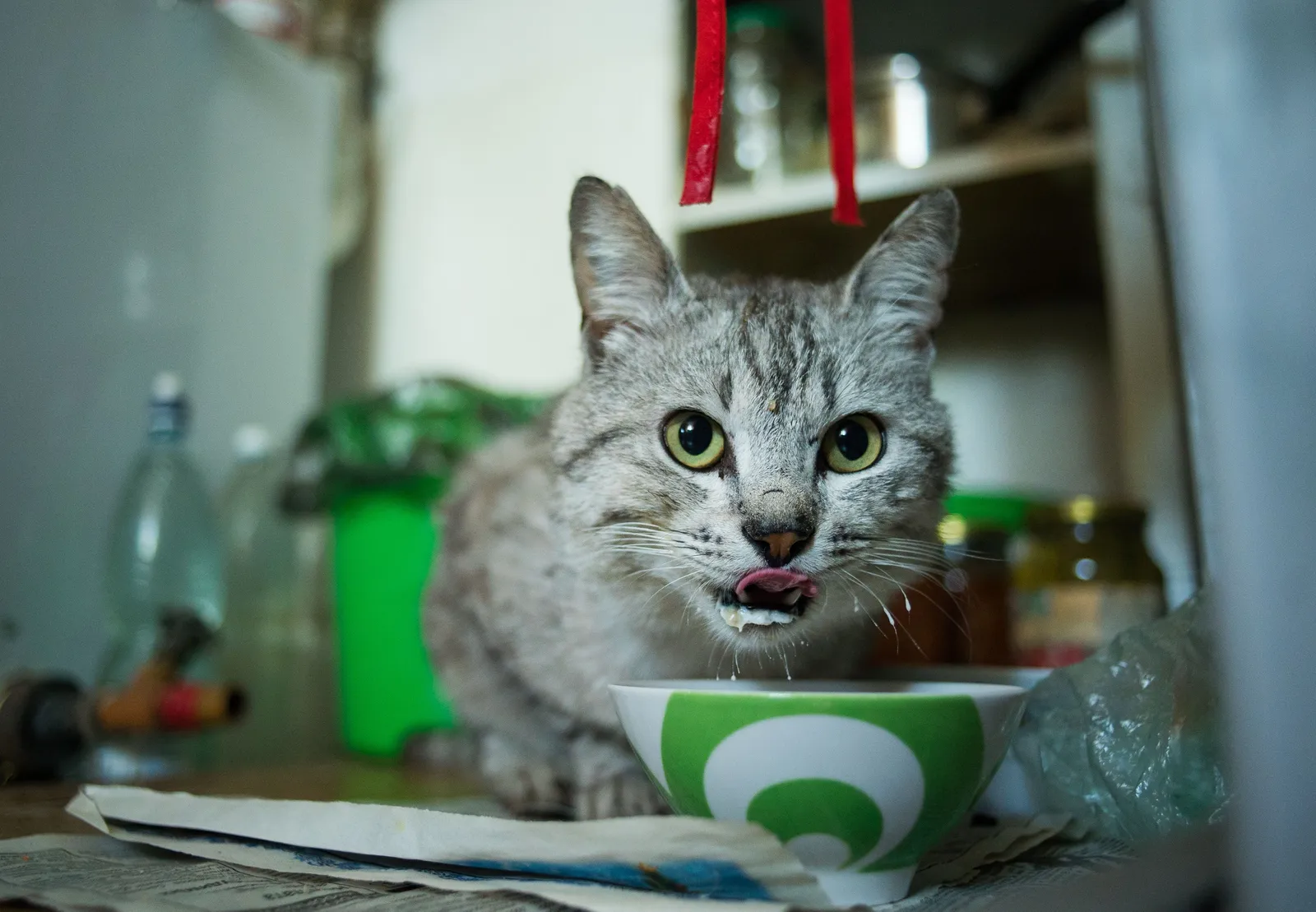
Cat surrounded by food, litter, toys, and other supplies showing the real monthly cost of ownership

This article contains affiliate links. We earn a small commission if you buy through our links, at no extra cost to you. We only recommend products we'd actually use.

How Much Does a Cat Cost Per Month in the UK? (2026 Breakdown)

Everyone tells you cats are cheaper than dogs. And they are. But "cheaper than a dog" and "cheap" are very different things, and too many people find that out after they have already committed to 15-20 years of responsibility.

The honest answer to "how much does a cat cost per month?" is somewhere between GBP 40 and GBP 180, depending on your choices. That is a massive range, so let us break it down properly. Real prices, real brands, real numbers from 2026. Not vague estimates from a generic pet site that was last updated in 2019.

Monthly Cost Breakdown

This is what cat ownership actually costs each month, split into three tiers. Budget is not code for "neglecting your cat." It means making smart choices with good-value products. Premium is not code for "gullible." It means choosing higher-end options because you want to or because your cat's health demands it.

ExpenseBudgetMid-RangePremium
Food (wet + dry)GBP 15-20GBP 30-45GBP 50-80
Cat litterGBP 5-8GBP 10-15GBP 18-30
Pet insuranceGBP 8-12GBP 15-25GBP 25-45
Flea/worm treatmentGBP 5-8GBP 8-12GBP 10-15
Toys + replacementsGBP 2-3GBP 5-8GBP 10-15
Litter tray liners / cleaningGBP 2-3GBP 3-5GBP 5-8
Monthly totalGBP 37-54GBP 71-110GBP 118-193
Annual equivalentGBP 444-648GBP 852-1,320GBP 1,416-2,316

Let us go through each line because the devil is in the detail.

Food: GBP 15-80 Per Month

The biggest variable in your monthly budget. The difference between feeding supermarket own-brand and feeding a raw subscription service is enormous, and your cat honestly cannot tell you which it prefers in words. What it can tell you is via its coat quality, energy levels, and the state of the litter tray.

Budget: GBP 15-20/month

Supermarket own-brand wet food (Whiskas, Felix, or own-label from Aldi/Lidl) plus a bag of dry food. Felix pouches run about GBP 0.25-0.35 per pouch. A 2kg bag of IAMS or Purina One dry food is GBP 8-12 and lasts a month. This is nutritionally adequate. Your cat will survive and can thrive on it, especially if you mix wet and dry.

Mid-range: GBP 30-45/month

Named-ingredient brands with higher meat content. Lily's Kitchen (65% meat, grain-free, GBP 0.80-1.10 per tray), Scrumbles (UK brand, high protein, GBP 12-15 per 750g dry), or Applaws (75% meat in the complementary range). This is where most informed cat owners land. Better ingredients, less filler, noticeably better coat and digestion in most cats. [AFFILIATE: Lily's Kitchen Cat Food] [AFFILIATE: Scrumbles Cat Food]

Premium: GBP 50-80/month

Raw feeding subscriptions (Nutriment, GBP 60-80/month, delivered frozen), or veterinary diet food like Royal Canin or Hill's Science Plan if prescribed. Subscription services like KatKin (fresh-cooked, GBP 45-65/month depending on cat size) sit in this range too. The quality is undeniable, but the price reflects convenience and premium sourcing. [AFFILIATE: KatKin] [AFFILIATE: Nutriment Raw Cat Food]

Buying in bulk saves real money. A 40-pack of Felix pouches at Costco or Amazon Subscribe and Save is noticeably cheaper per pouch than buying 12-packs from Tesco. If storage is not an issue, bulk is always the move.

Cat Litter: GBP 5-30 Per Month

Litter is the cost nobody thinks about until they are hauling a 20-litre bag home from Pets at Home for the third time this month.

Budget: GBP 5-8/month

Non-clumping wood pellet litter. Pettex Wood Pellets or the Pets at Home own-brand equivalent. Around GBP 5-7 for a 30-litre bag that lasts 3-4 weeks for one cat. Effective, low odour, but you need to change the whole tray more frequently than with clumping litter.

Mid-range: GBP 10-15/month

Catsan Hygiene Plus (non-clumping, very low dust, GBP 8-10 for 20L) or Ever Clean clumping (GBP 12-15 for 10L, lasts about a month with daily scooping). Clumping litter is easier to maintain because you scoop the clumps and top up rather than replacing the whole tray. Check Ever Clean prices on Amazon

Premium: GBP 18-30/month

World's Best Cat Litter (corn-based, flushable, GBP 18-22 for 6.35kg) or Natusan (wood-based, clumping, GBP 15-18 for 10L). These are the eco-friendly options that also perform well. World's Best is genuinely excellent on odour control and clumping, but the price per kilo is steep. Check World's Best prices on Amazon

For multi-cat households, multiply litter costs by 1.5x per additional cat, not 2x. Two cats sharing one large tray use less litter than two cats with two separate trays, assuming the tray is cleaned twice daily. The general rule is one tray per cat plus one extra, but in practice many two-cat homes manage fine with two trays.

Pet Insurance: GBP 8-45 Per Month

This is the line item people cut first and regret most. A single emergency vet visit can cost GBP 500-2,000. An ongoing condition like kidney disease or diabetes runs GBP 100-300 per month in treatment. Insurance is not a luxury. It is the thing that stops a health crisis from also becoming a financial crisis.

What the Tiers Mean

Always get lifetime cover. Time-limited policies are fine until your cat develops kidney disease, diabetes, or hyperthyroidism, and then the 12-month clock expires and you are paying GBP 150/month in vet bills out of pocket. The extra GBP 10/month for lifetime cover pays for itself the first time a chronic condition appears.

UK providers worth comparing: Petplan (market leader, comprehensive but pricier), ManyPets (good value, easy claims), Agria (Swedish company, very thorough cover), Waggel (newer, app-based, competitive pricing for younger cats). [AFFILIATE: Petplan Cat Insurance] [AFFILIATE: ManyPets Cat Insurance]

What Affects the Price

Your premium depends on breed (pedigrees cost more to insure), age (older cats cost more), location (London postcodes are higher), and excess level (higher voluntary excess means lower premium). A 1-year-old moggy in Manchester might pay GBP 10/month for lifetime cover. A 5-year-old British Shorthair in London could be GBP 35-40/month for the same level of cover.

Flea and Worm Treatment: GBP 5-15 Per Month

Non-negotiable, even for indoor cats. Fleas come in on your shoes and clothes. Worms can be picked up from anything your cat hunts or scavenges, or even from fleas themselves (tapeworm).

Pet shop spot-ons (Bob Martin, Beaphar) cost GBP 3-6 per dose. They are better than nothing, but significantly less effective than vet-prescribed products.

Vet-prescribed treatments like Broadline (spot-on, covers fleas, ticks, and worms in one, GBP 8-12/month), Advocate (fleas and worms, GBP 7-10/month), or Bravecto Plus (every 2 months, GBP 20-25 per dose, so GBP 10-12.50/month). These are the gold standard.

Some subscription vet services like Vet-Box or the Pets at Home Complete Care plan bundle flea/worm treatment with vaccinations and health checks for a fixed monthly fee (typically GBP 15-25/month for the health plan alone). Worth it if you would be buying these things separately anyway. [AFFILIATE: Broadline Cat]

One-Off Costs (First Year)

These hit once, sometimes twice, but they are significant enough to budget for.

ExpenseTypical CostNotes
Adoption fee (rescue)GBP 60-150Includes neutering, microchip, first vaccines at most rescues
Pedigree kitten (registered breeder)GBP 800-2,500+Varies hugely by breed. British Shorthair, Ragdoll, Bengal all GBP 1,200+
Initial setup (bowls, tray, bed, carrier, etc.)GBP 60-300See our new cat owner checklist for full breakdown
Neutering (male)GBP 50-80Often included in rescue adoption fee
Spaying (female)GBP 80-150More expensive due to more complex surgery
Primary vaccination courseGBP 50-80Two jabs, 3-4 weeks apart. Often included in adoption fee from rescues.
MicrochippingGBP 20-35Legal requirement in England since June 2024. Most breeders/rescues do this already.
Cat flap (microchip-reading)GBP 60-150SureFlap is the market leader. Installation extra if you cannot DIY.

Annual Costs

On top of the monthly running costs, these come around once a year.

ExpenseTypical CostNotes
Annual vaccination boosterGBP 40-60Required for cattery boarding and may be required by your insurer
Annual vet health checkGBP 30-60Often bundled with the booster appointment
Dental check / cleanGBP 0-400GBP 0 if teeth are healthy. GBP 200-400 for a professional clean under anaesthetic. Usually needed every 2-3 years.
Scratching post replacementGBP 10-30Sisal wears out. Plan to replace annually or re-wrap with new rope (GBP 5-8).
Litter tray replacementGBP 5-20Plastic absorbs odour over time. Replace annually or when it starts smelling despite being clean.
Cattery / cat sitter (2 weeks)GBP 150-400GBP 10-15/day for a decent cattery, GBP 15-25/day for a home-visiting sitter.

The Emergency Fund: Why You Need GBP 1,000+

Even with insurance, you need cash reserves. Insurance has an excess (typically GBP 60-150 per claim), a co-pay percentage on some policies, and a waiting period at the start of cover (usually 14 days). Some policies exclude conditions that exist before coverage starts.

Common emergencies and their costs without insurance:

If you cannot afford an emergency vet bill or insurance, you cannot afford a cat. That sounds harsh, but it is kinder to hear it now than to face a GBP 2,000 bill for a blocked bladder at 2am with no savings and no cover. Some charities like the PDSA and Blue Cross offer free or subsidised treatment for pet owners on low incomes, but eligibility is means-tested.

Hidden Costs Nobody Warns You About

These are the costs that do not appear on any "how much does a cat cost" list, but they add up quietly over the years.

Cat-Sitter or Cattery Costs

You cannot just leave a cat alone for a week with extra food down. Someone needs to check in daily at minimum. A professional cat sitter visiting once a day costs GBP 10-18 per visit. A cattery is GBP 10-15 per night for a basic pen, GBP 18-30 per night for a "luxury" suite. Two weeks of holiday care is GBP 140-420 per year. If you go away twice a year, double it.

Furniture and Carpet Damage

Cats scratch. Even with perfect scratching post placement and training, most cats will occasionally go for a sofa arm, a door frame, or a carpet corner. Budget for eventual furniture repair or replacement. A sofa arm cover is GBP 10-20. A door frame scratch repair is a few quid in wood filler and paint. But over 15 years, the cumulative damage adds up. Be realistic about this.

Carpet and Upholstery Cleaning

Hairballs happen. Vomiting happens. Litter tracking happens. If you have light-coloured carpet, you will either learn to live with marks or invest in a carpet cleaner. A small Bissell SpotClean costs GBP 80-120 and pays for itself within a year if your cat is a regular vomiter. [AFFILIATE: Bissell SpotClean]

Increased Heating Bills

Cats open doors. Cats sit on radiators and block heat distribution. Cats demand that windows and doors stay in positions you would not choose. If your cat insists on having the kitchen door open in January (and they will), that costs you heating money. It is small, but it is real. Some breeds, especially hairless or thin-coated cats, also benefit from a heated pad (GBP 15-30) running during winter months.

Replacement Household Items

Knocked-off ornaments. Chewed phone charger cables. Blinds with paw-shaped holes in them. Water glasses tipped off bedside tables at 4am. None of these are expensive individually, but they happen with reliable frequency.

The "Just One More Thing" Effect

You will, at some point, be in Pets at Home "just for litter" and leave with litter, a new toy, some treats, a catnip mouse, and a packet of Dreamies. This happens to everyone. Budget an extra GBP 5-10 per month for impulse buys, because denying it happens will not stop it happening.

Lifetime Cost of a Cat

With an average lifespan of 12-18 years, here is what cat ownership costs over a lifetime.

TierMonthlyAnnualLifetime (15 years)
BudgetGBP 40-55GBP 480-660GBP 7,200-9,900
Mid-rangeGBP 70-110GBP 840-1,320GBP 12,600-19,800
PremiumGBP 120-190GBP 1,440-2,280GBP 21,600-34,200

Add the one-off first-year costs (GBP 150-2,800+ depending on adoption vs pedigree purchase and setup level), and a budget-conscious owner is looking at GBP 7,500-10,000 over a cat's lifetime. A premium setup with a pedigree kitten can run past GBP 35,000.

Those numbers are not meant to scare you off. They are meant to help you plan properly. A cat is a 15-20 year commitment, and knowing the real numbers upfront means fewer nasty surprises and a better life for both of you.

The most effective way to reduce lifetime costs: get lifetime insurance early (premiums are lowest when cats are young), feed quality food (better nutrition means fewer vet visits), and keep your cat at a healthy weight (obesity is the root cause of several expensive conditions). Spending more on prevention saves money on treatment.

Related Guides

Explore more on CatBasket